Palm Coast Vending & Micro-Markets
We install snack vending machines, drink vending machines, AI vending machines, and micro-markets in Palm Coast hotels, medical offices, and staff rooms. The workplace chooses the indoor room. Highway hotels still need weekday staff use. Overnight guests do not replace that.
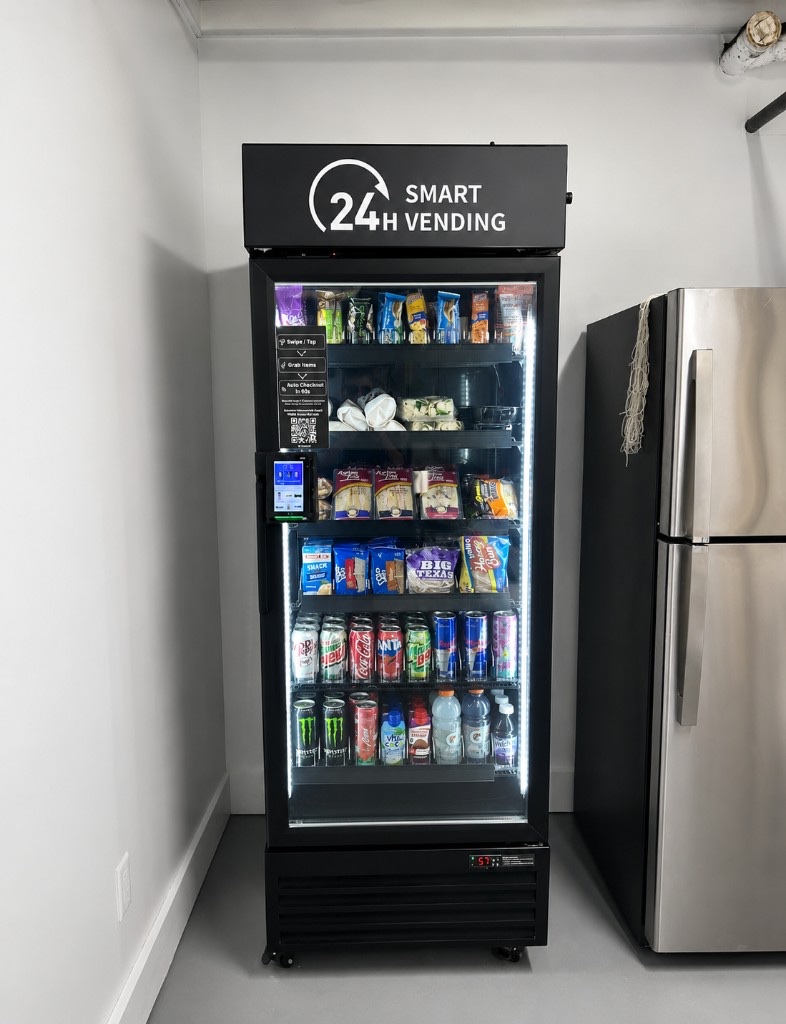 Indoor Palm Coast AI vending
Palm Coast Hotels Along I-95 Still Need Weekday Staff
Palm Coast hotels and medical offices along I-95 and A1A can hold snack vending machines and drink vending machines in an indoor staff room. Guests checking in at night do not keep products moving if weekday staff is thin. Hotel and clinic management choose the indoor location. We confirm space, power, and a way to get in and restock. A larger indoor staff room can hold a micro-market.
- Indoor hotel and medical staff rooms
- Weekday staff use, not only overnight guests
- A working outlet and a way to restock
- A micro-market only when the room and daily use can support it
Vending in Palm Coast Workplaces
Hotels and medical offices are the usual Palm Coast workplaces. Overnight guests do not replace weekday staff. Outdoor lots are not a fit.
Hotels
Staff rooms and indoor waiting rooms. Hotel management chooses the location. Not guest rooms.
Hotel vendingMedical offices
Staff rooms and waiting rooms with enough daily use. Clinic management chooses the location.
Hospital vendingOffices
Weekday staff breakrooms. Snack vending machines, drink vending machines, and coffee are the usual start.
Office vendingMicro-markets
Open shelves, refrigerated food and drinks, and self-checkout when a Palm Coast staff room has enough daily use.
Micro-marketsFree Vending Machine Placement in Palm Coast
Qualifying workplaces in Palm Coast, Flagler Beach, Bunnell, Hammock, and along I-95 can receive vending machines, installation, stocking, and service with no upfront equipment cost.
Who it is for
Palm Coast hotels, medical offices, offices, and indoor staff rooms with enough weekday use.
What we look at
Indoor space, power, weekday staff use, and a way to get in and restock.
What happens after install
We refill sold-out drinks and snacks, remove expired products, and clean the vending machines.
What would not qualify
Too few weekday staff to keep products moving, no indoor power, no way to restock, an outdoor lot, or a dining room that already covers staff food.
What Works in Palm Coast
The workplace chooses the indoor room. These are the usual Palm Coast workplaces.
| Workplace | What usually works | What usually does not |
|---|---|---|
| Hotel staff room | Snack and drink vending machines | Guest rooms |
| Medical staff room | Snack and drink vending machines, coffee | A waiting room with almost no daily use |
| Office breakroom | Snack and drink vending machines | An outdoor lot |
| Larger staff breakroom | A micro-market | A hallway with no power |
About 50 people on site, or comparable daily use, is the usual starting point for free vending machine placement.
From First Call to Stocked
- 01Tell us about your workplaceWe look at who will use it, daily traffic, space, power, hours, and how we get in to restock.
- 02We recommend equipmentYou get snack vending machines, drink vending machines, an AI vending machine, a micro-market, or coffee that matches the room.
- 03We install and stockWe handle setup, stocking, and restocking, and we keep the mix based on what people buy.
Frequently Asked Questions
Does VendSmart serve Palm Coast?
Yes. We install and stock snack vending machines, drink vending machines, AI vending machines, and micro-markets in Palm Coast hotels, medical offices, and staff rooms.
Can a Palm Coast hotel get vending machines?
Yes, in a staff room or indoor waiting room that hotel management approves. Not guest rooms.
Do overnight hotel guests replace weekday staff use?
No. Free vending machine placement needs people buying on weekdays. A hotel that only fills up on Friday night may not qualify.
Can a Palm Coast medical office get vending machines?
Yes, in a staff room or waiting room with enough daily use. Someone has to let our team in to restock.
Is Palm Coast the same as St. Augustine vending?
No. St. Augustine is historic hotels, schools, and visitor lines. Palm Coast is I-95 and A1A hotels and medical offices.
Does the workplace buy the vending machines?
No. Qualified Palm Coast locations receive the equipment, installation, stocking, and service with no upfront equipment cost. Employees pay for what they take.
Let’s Find the Right Setup
Tell us about your location and we’ll recommend the most practical next step.